
Prescribed Burning Led by a Certified Wildland Fire Crew
B&B Wildland Fire plans and runs prescribed burns across Eastern Washington. Our team includes a Washington DNR Certified Prescribed Burn Manager, and we show up with our own fire engines and an NWCG-qualified crew. We can run your whole burn, from permit to final patrol, or hold the line on a burn you’re leading.
The B&B Team Knows Fire Inside & Out
The dry pine forests and grasslands of Eastern Washington evolved with fire. Without it, needles, brush and small trees pile up until the next wildfire burns hot enough to kill the big trees and threaten homes. A prescribed burn puts low-intensity fire back on the ground, on your schedule and under conditions we pick in advance.
We fight wildfire for agencies, so we know how fire behaves in these fuels and on this terrain. When we light a burn, the same crew is holding it, with engines and water on site and a plan for when things don’t go to plan.
- WA DNR Certified Prescribed Burn Manager on our team
- NWCG-qualified engine bosses and firefighters
- Our own wildland fire engines
- Washington DNR firefighting contractor
- Burns of any size, a few piles to hundreds of acres
- Licensed & bonded: BBWILWF743C3
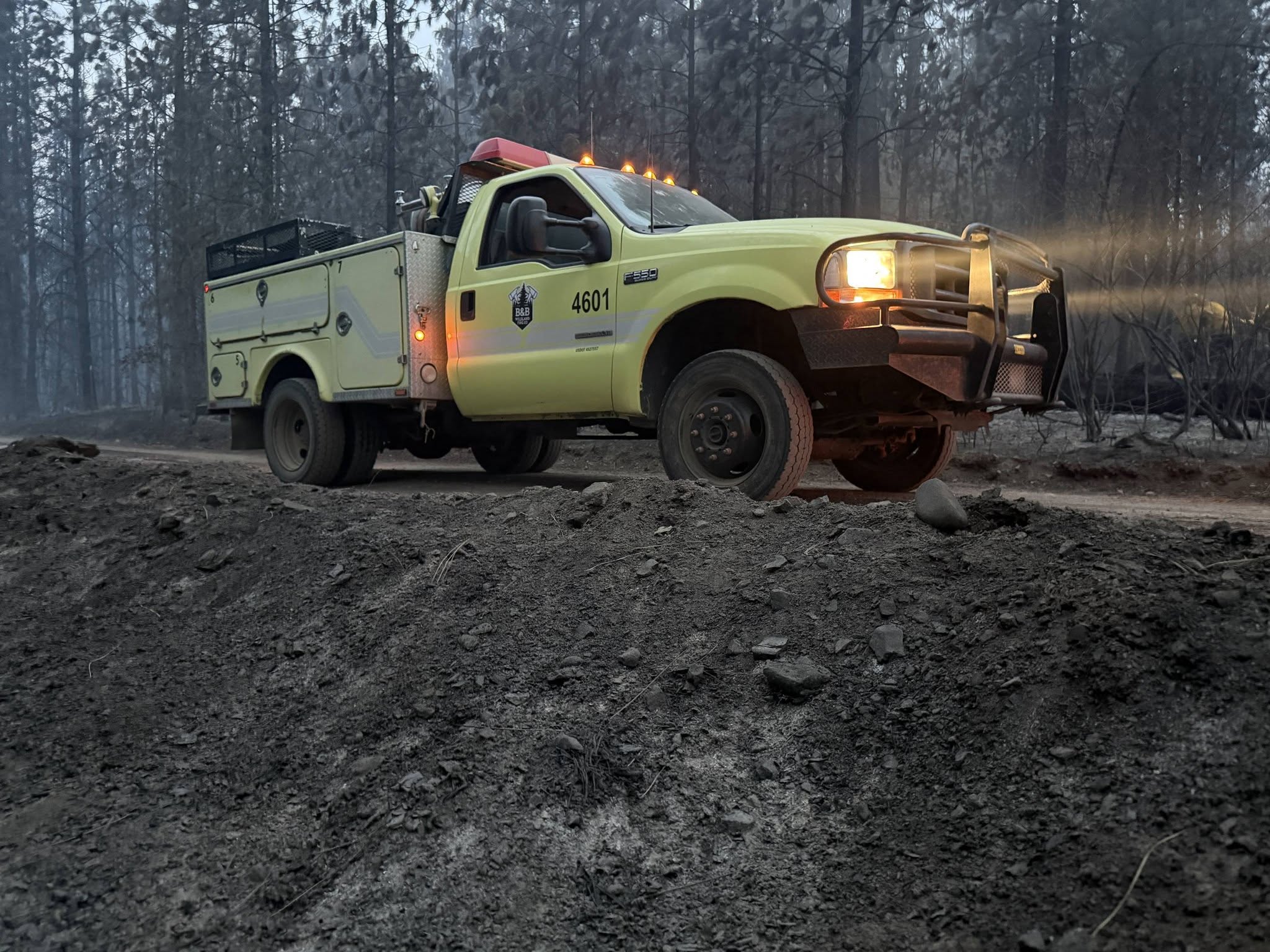
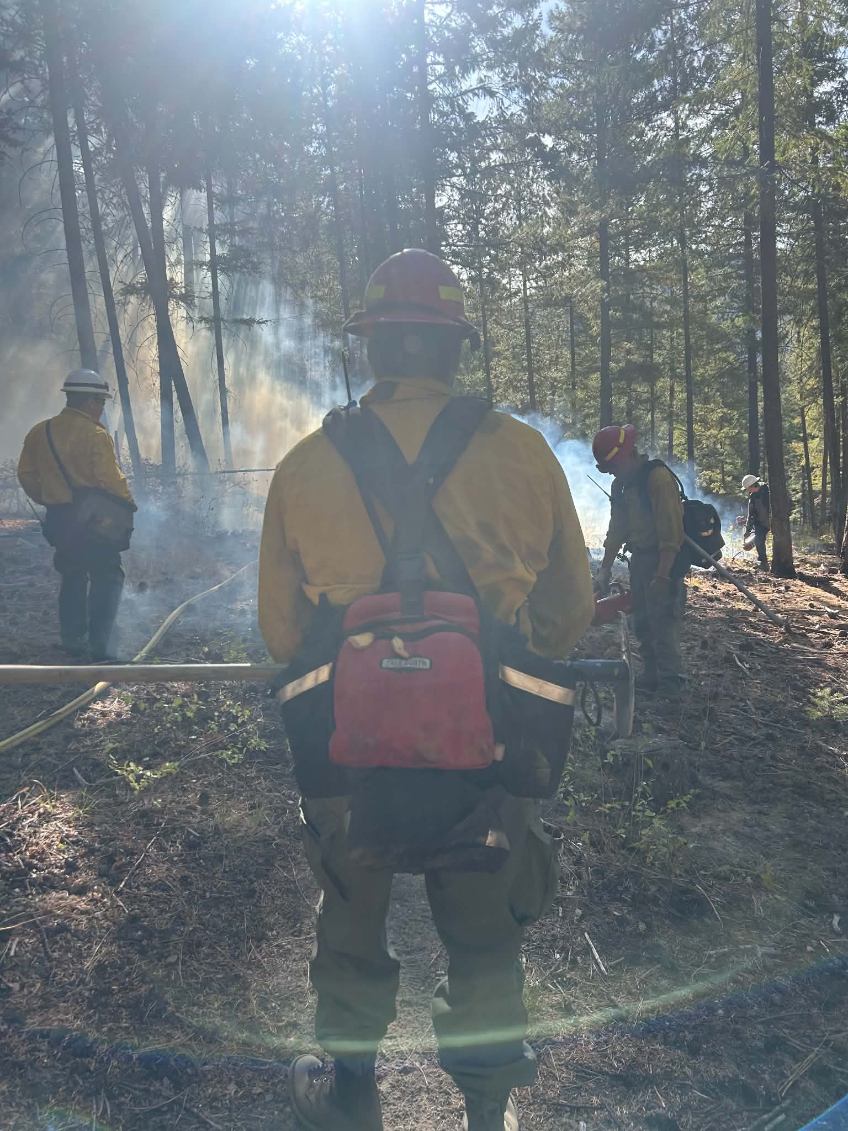
We Run the Burn, or We Back You Up
Some landowners want the whole job handled. Others already burn and want trained firefighters and engines holding the line. We do both.
We Lead Your Burn
Our Certified Prescribed Burn Manager runs the whole project. You tell us what you want the land to look like, and we handle the rest.
- Site visit and burn objectives
- Written burn plan with a weather prescription
- DNR or Ecology permits, smoke approvals and notifications
- Control lines and site prep
- Ignition, holding and contingency engines
- Mop-up, patrol and a follow-up visit
For landowners, timber owners, ranches and HOAs who want it done right without learning to burn.
We Hold Your Burn
You or your agency runs the burn. We bring engines, water and qualified firefighters to hold the line, catch spots and mop up.
- Engines staffed by NWCG-qualified crews
- Holding, patrol and spot-fire response
- Lighting crew support when you need hands
- Mop-up until the burn is cold
- Standby for pile burning and broadcast burns
- Works under your burn boss and plan
For experienced landowners, burn associations, conservation districts, tribes and agencies.
Prescribed Fire for Forest, Slash and Range
Every burn starts with a goal. Here are the burns we do most, and what each one is for.
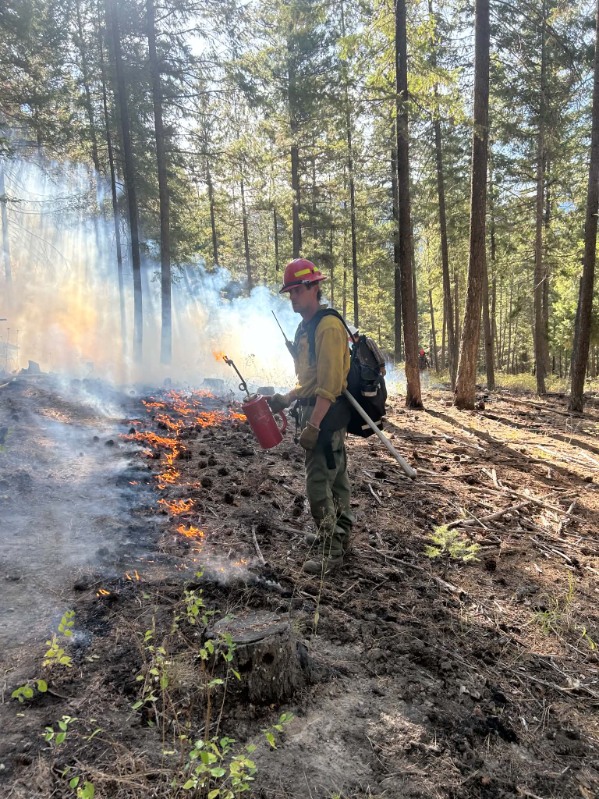
Forest Understory Burns
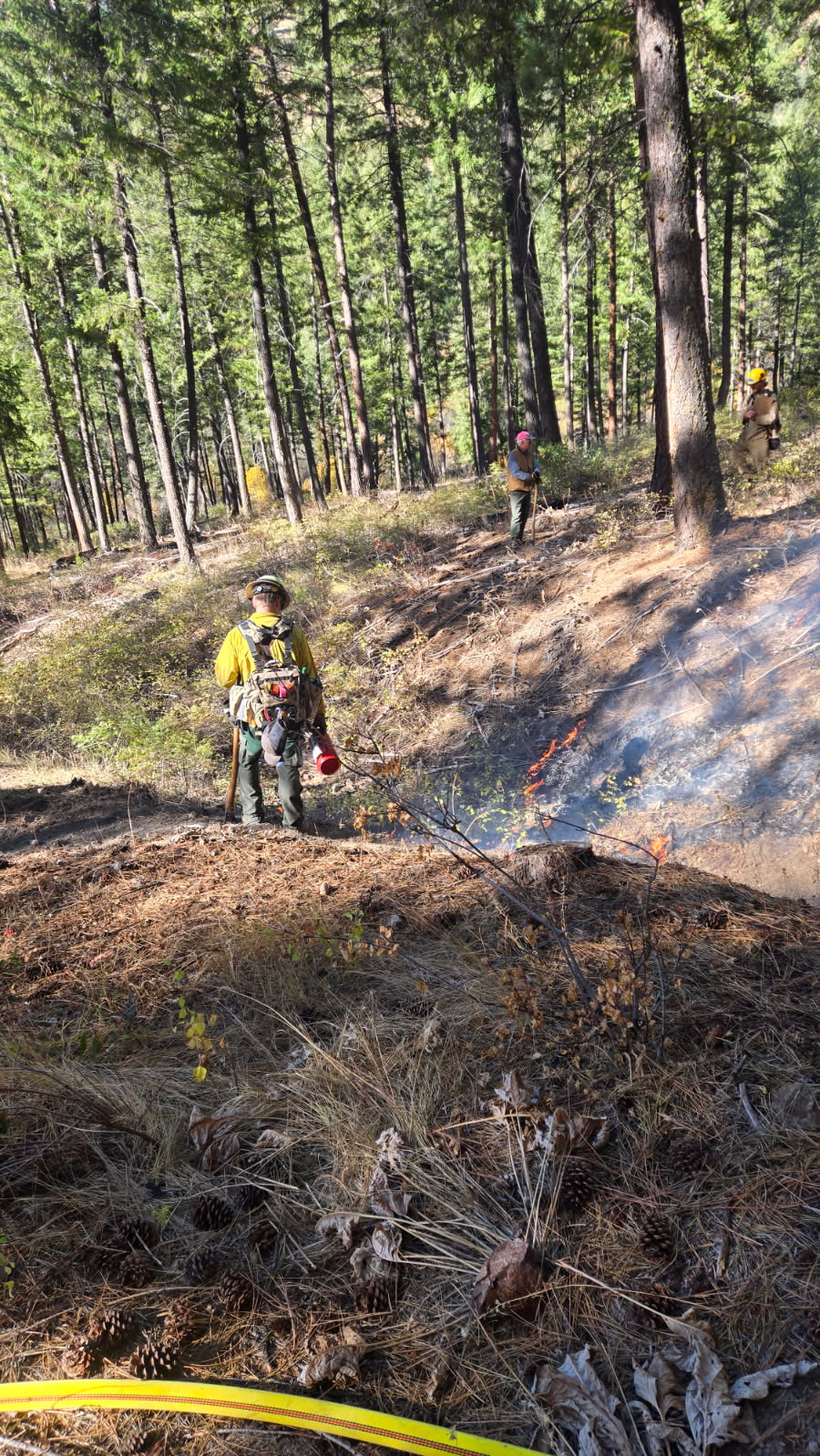
Low fire under ponderosa pine and dry mixed conifer to clear needles, brush and slash after thinning. The best long-term fuels treatment we know.
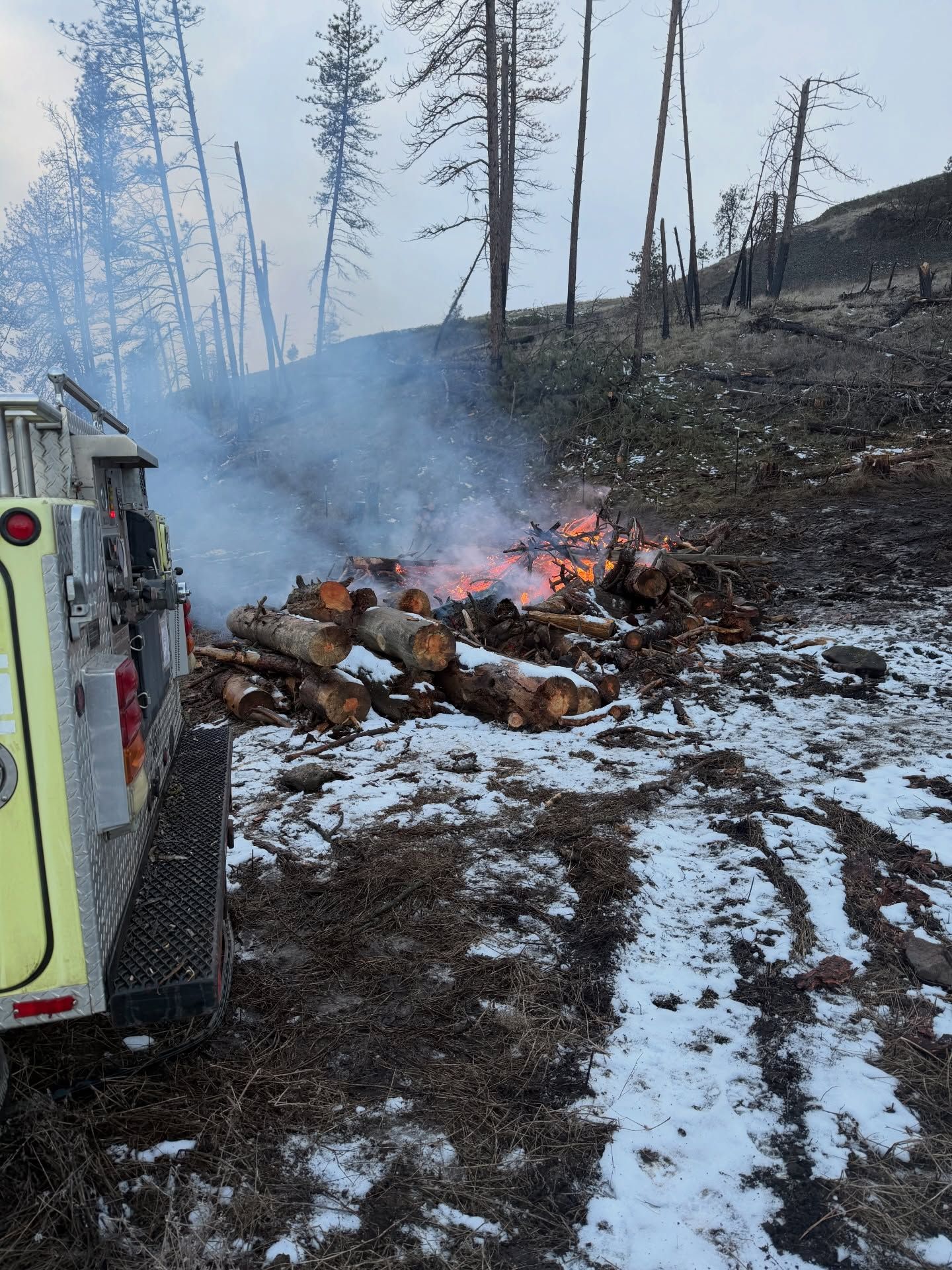
Slash Pile Burning
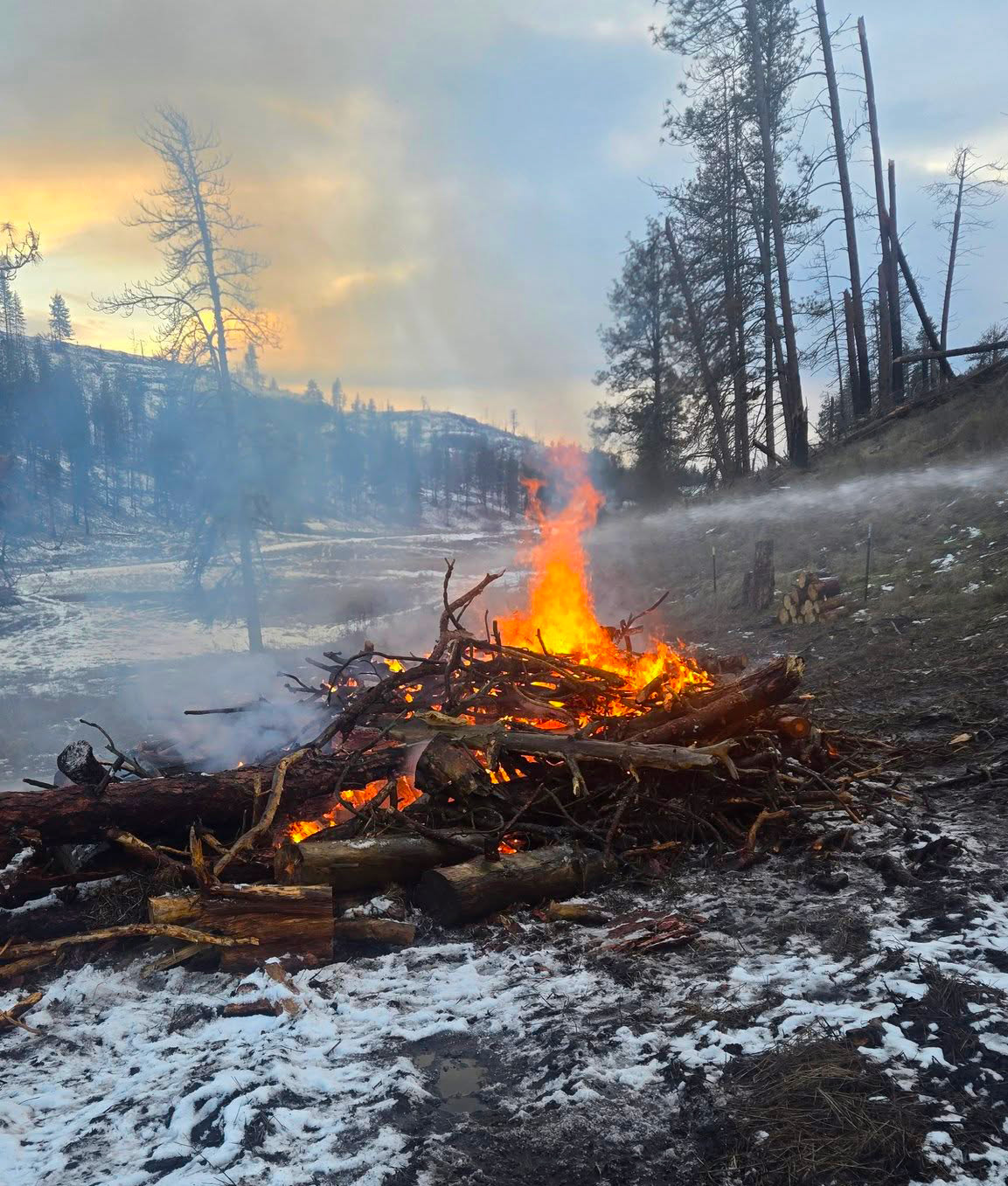
Piles from thinning, mitigation or logging, burned safely with an engine on site. Large jobs can run for days.
Grass, Range & Ag Burns
Pasture, rangeland, CRP and field burns to knock back thatch and weeds and bring back native grasses and forage.
Agency Burn Support
Contract engines and crews to hold burns for DNR, federal, tribal and conservation district programs.
Thinning Is a Start. Fire Finishes the Job.
Thinning removes ladder fuels, but it leaves needles, twigs and small slash on the ground. A low burn after thinning clears that surface fuel, which is what lets a stand shrug off a wildfire. It also brings back native grasses and browse for deer, elk and livestock.
drop in wildfire severity where forests were thinned and burned, vs. 27% for thinning alone
Davis et al. 2024, Forest Ecology and Management (review of western U.S. studies)
of trees survived the 2006 Tripod Complex in thinned-and-burned units, vs. 19% thinned only
Prichard et al. 2010, Okanogan County, WA
years between fires in ponderosa pine forests before fire was taken out of them
National Park Service
of prescribed fires on national forests go as planned
U.S. Forest Service, 2022
Burn Seasons in Eastern Washington
Most burning happens in spring and fall, when fuels are dry enough to carry fire but the weather keeps it low and slow. Pile burning runs into winter, ideally with snow on the ground. These are typical windows, not fixed dates.
The weather decides the day
Every burn plan sets limits for wind, humidity, temperature and fuel moisture. If burn day falls outside them, we wait. Large forest burns also need same-day smoke approval from DNR.
Plan now, burn next window
Permits can take a couple of weeks, and control lines and piles need time to cure. Talk to us a season ahead: fall for a spring burn, summer for a fall burn.
When a Burn Is a Good Fit, and When More Work Is Needed
Fire is the right tool for a lot of Eastern Washington ground, but not every stand is ready for it. If yours isn’t, we’ll tell you, and show you what it takes to get there. Often that’s thinning first and burning a year or two later.
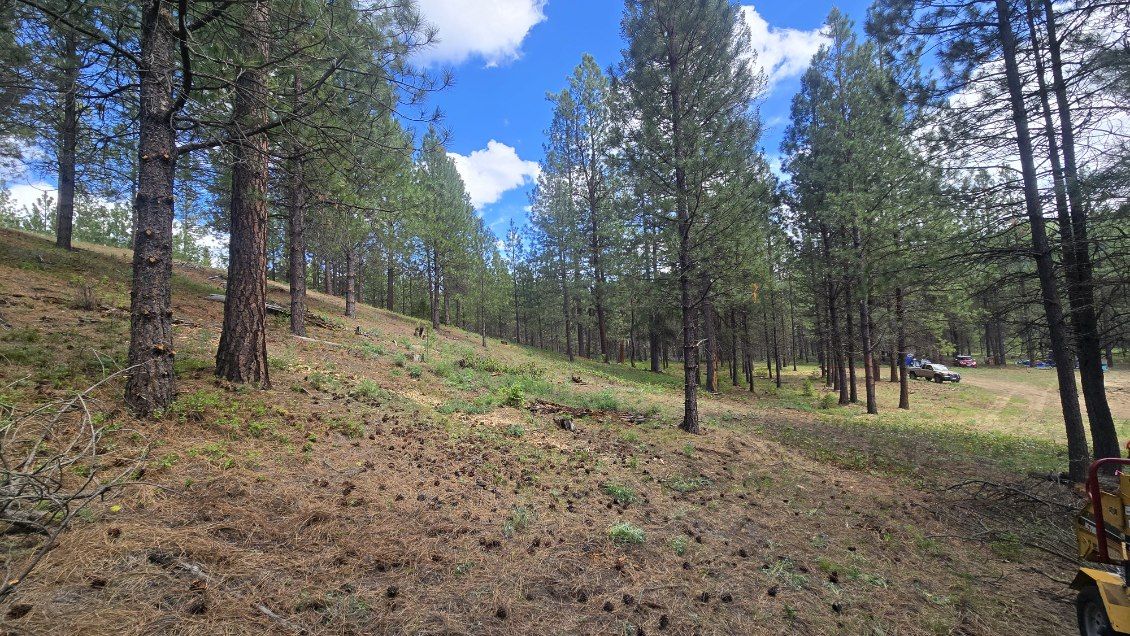
- Ponderosa pine or dry mixed conifer that has been thinned
- Grass, range or pasture with roads, fields or bare ground to burn against
- Slash that is piled, or scattered evenly on the ground
- Room for an engine to get in and a water source nearby
- Goals like lower fire risk, better forage or fewer weeds
- Thick stands with small trees and low limbsThin and limb first so fire stays on the ground. We can do that work.
- Deep duff or needles around big treesRake it back before the burn so the roots and bark don’t cook.
- Steep ground with no way in for an engineWe may need to build lines, cut access or switch to pile burning.
- Homes or outbuildings inside the burn areaWe clear defensible space and protect structures before lighting.
- Schools, hospitals or busy roads downwindWe plan for smoke and wait for a day when it will lift and move away.
From First Walk-Through to Final Patrol
This is what a full-service burn looks like. For fire support jobs, we plug into your plan at steps 5 through 8.
Free site visit
We walk the ground with you, talk through your goals and tell you whether it’s ready to burn.
Burn plan
Our Certified Burn Manager writes the plan: objectives, weather prescription, crew, engines, ignition pattern, smoke and contingencies.
Permits & notices
We file DNR or Ecology permits and line up notices to neighbors, the fire district and dispatch.
Site prep
Control lines to bare soil, raking around big trees, black lines and piles cured and ready.
Go or no-go
On burn day we check weather and smoke approval against the plan, brief the crew and light a test fire.
Ignition & holding
Firing crews light in a planned pattern while engines hold the lines and watch for spots.
Mop-up & patrol
We put out hot edges and keep checking until the burn is cold, not just quiet.
Follow-up
A return visit to check results, plus notes on when to burn again or what to treat next.
The Prescribed Fire Claims Fund
A state pilot program, running through June 2033, can pay up to $2 million per claim for damage from a prescribed burn. To qualify, the burn has to be on DNR-protected or approved tribal land and led by a certified burn manager, with an approved burn plan and permits. Burns led by our Certified Prescribed Burn Manager can qualify.
Planned Like a Burn, Staffed Like a Fire
Most of the work on a safe burn happens before anyone strikes a match. On burn day, you get trained firefighters, engines and water, not a landowner with a garden hose.
- 1A written plan and prescriptionLimits for wind, humidity, temperature and fuel moisture are set before burn day. Outside them, we don’t light.
- 2Engines and water on siteOur own wildland engines stage on the burn, with hose lays ready where the plan calls for them.
- 3Qualified people in every roleA Certified Prescribed Burn Manager in charge, with NWCG-qualified engine bosses and firefighters on the line.
- 4Contingency built inEvery plan names extra resources and what triggers calling them, before anything goes wrong.
- 5Smoke and neighbors handledWe follow the state smoke management plan and notify neighbors, the fire district and dispatch.
- 6Patrol until it’s coldWe stay, mop up and come back to check. A burn isn’t done until it’s out.
Who Permits Your Burn
In Washington, the agency depends on what you’re burning and where. On full-service burns, we figure out which permits apply, file them, and get the approvals. Here’s the short version.
Rules change and vary by county, fire district and reservation. Check DNR burn restrictions and Ecology burn permits for current details.
Programs That Can Help Cover a Burn
Cost depends on acres, fuels, terrain, prep and how many engines the plan calls for. We price every burn after a site visit. These programs may help cover part of it.
NRCS EQIP
The Environmental Quality Incentives Program has practices for prescribed burning (338) and firebreaks (394). Apply through your local USDA service center.
DNR Landowner Assistance
DNR helps forest landowners pay for fuels reduction like thinning and ladder fuel removal. Ask your DNR forester whether your burn or burn prep qualifies.
Conservation Districts
Many districts in Eastern Washington help landowners plan forest health and fire projects, and some have funding for burn prep or planning.
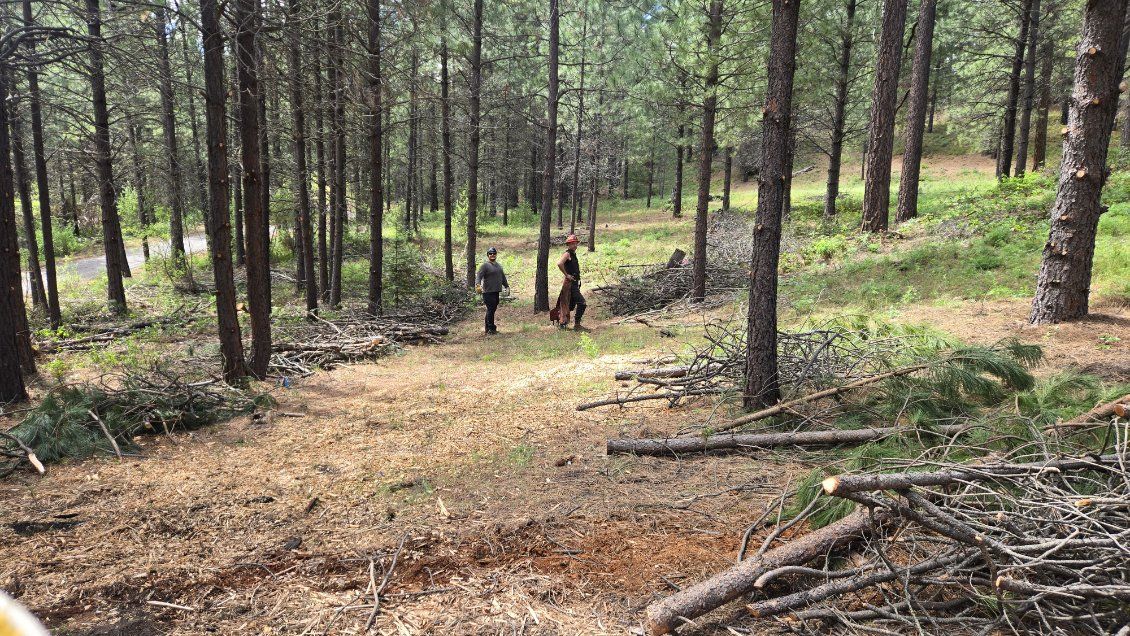
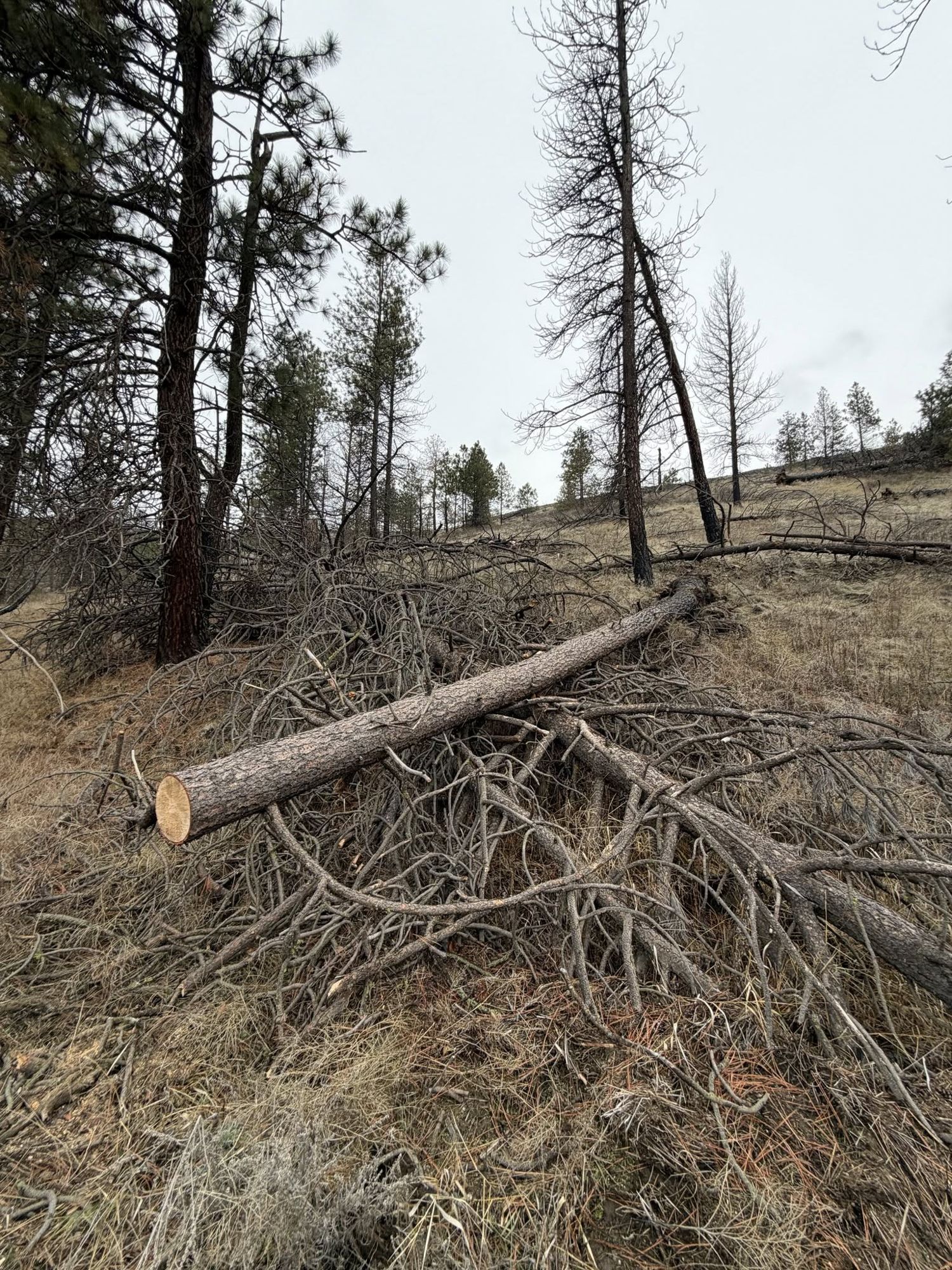
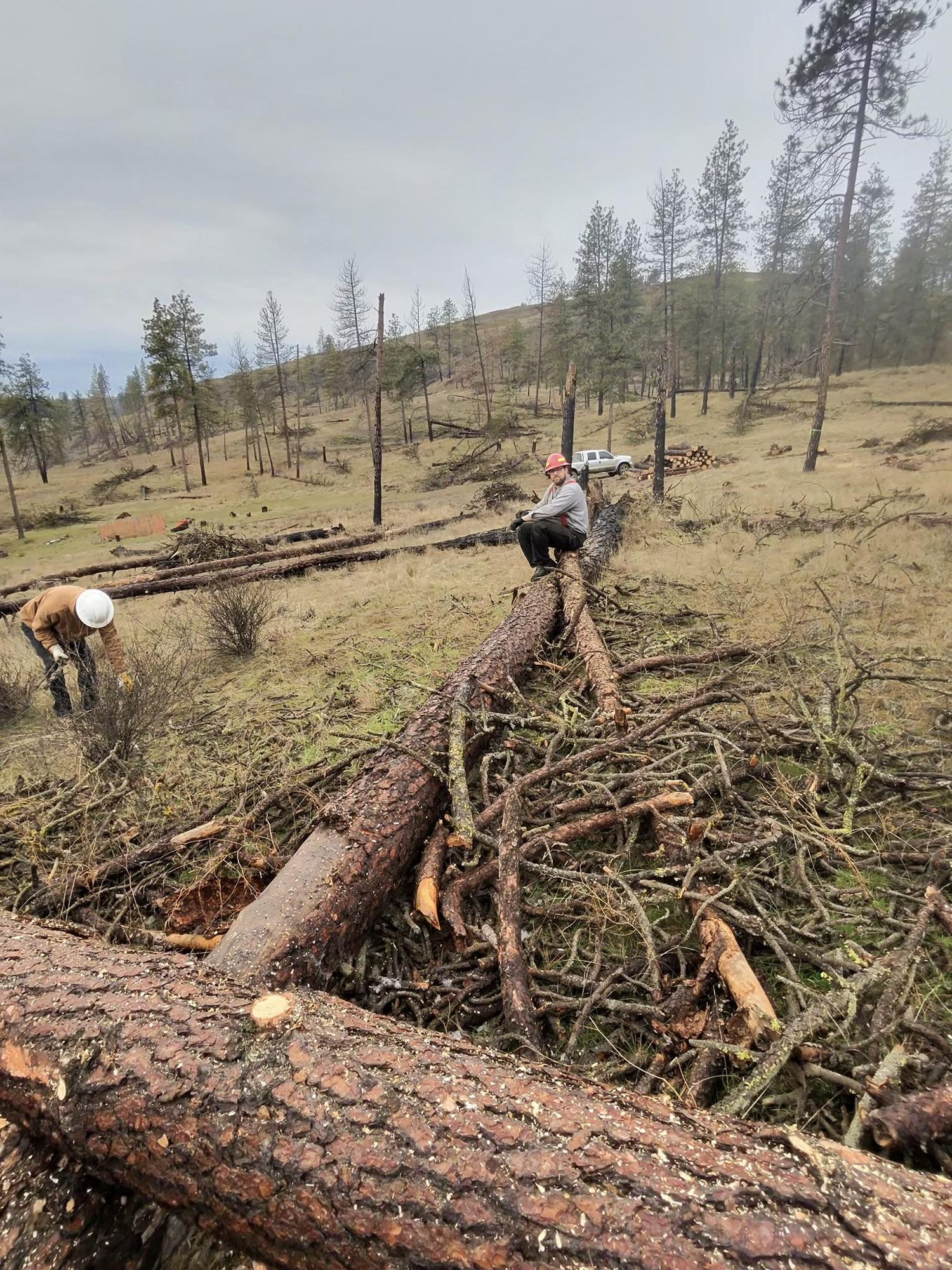
Prescribed Fire Is One Tool. Here’s the Rest of the Toolbox.
Most burns are one step in a bigger plan to protect a home or a forest. The same B&B crew can do the work before and after the burn.
Tell Us About Your Ground
Send a few details and we’ll call you back within one business day. The first site visit is free. We’ll walk the ground with you, tell you honestly whether it’s ready to burn, and lay out the options.
- Free first site visit
- Call back within one business day
- Full-service burns or fire support for yours
- Eastern Washington and North Idaho
Agencies placing a VIPR order: go through your dispatch center as usual.
Prescribed Burning FAQs
Do I need a permit to burn?
Usually, yes. Forest and slash burns on DNR-protected land need a DNR burn permit unless they meet the small pile rules, and larger burns also need same-day smoke approval. Agricultural and field burns go through the Department of Ecology, or the Spokane Regional Clean Air Agency in Spokane County. Tribal land has its own rules. When we lead your burn, we sort out which permits apply and file them.
Can you just bring engines and a crew to my burn?
Yes. If you, your burn association or your agency is running the burn, we can provide engines and NWCG-qualified firefighters for holding, patrol, spot fires and mop-up. We work under your burn boss and your plan.
What does a Certified Prescribed Burn Manager mean for me?
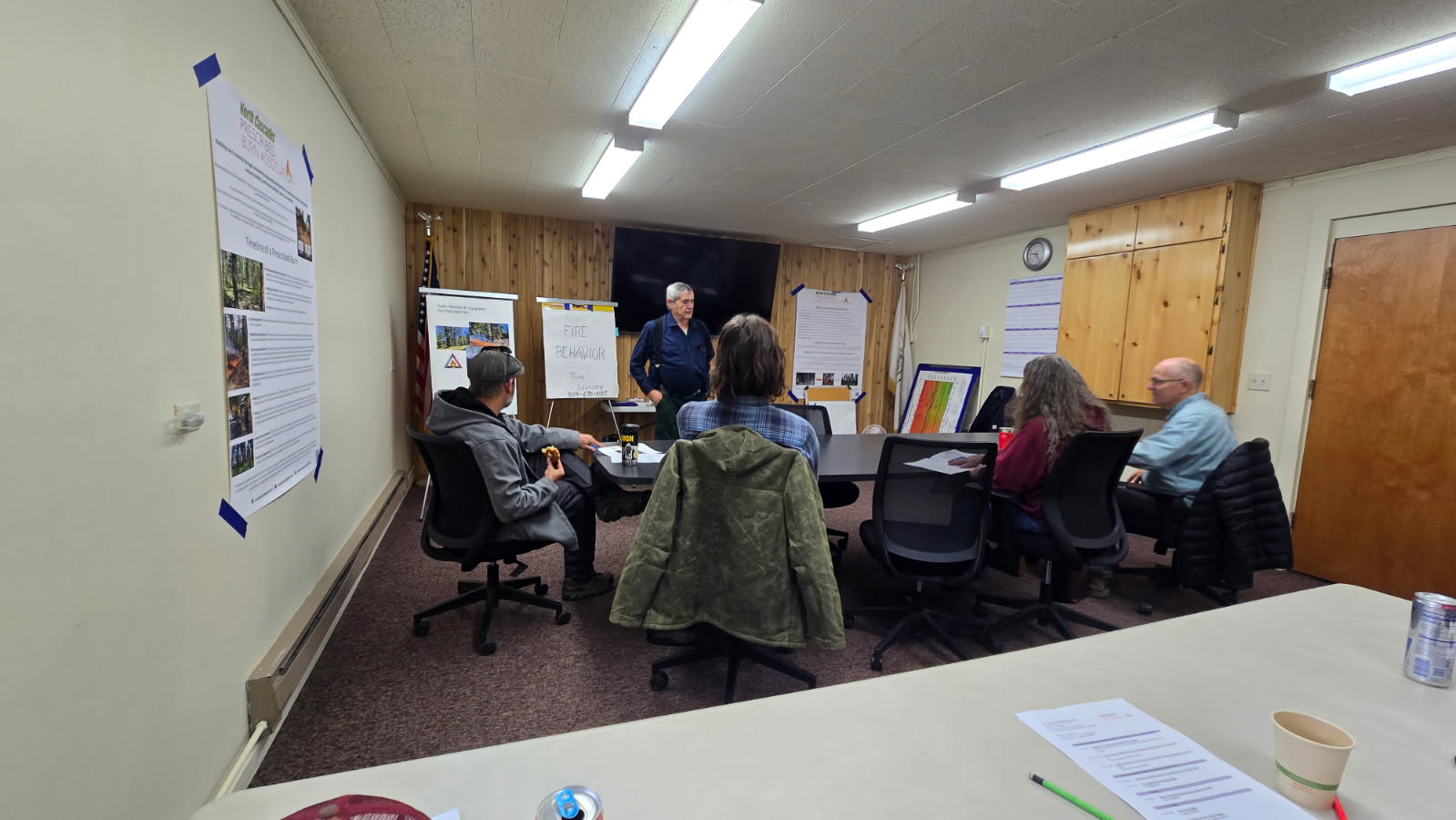
Washington DNR certifies people who lead prescribed burns. The training covers fire behavior, weather, smoke management, burn planning, contingencies and the law, and it ends with an evaluated burn. Certification matters for liability under state law, and it is one of the requirements for a burn to qualify for the state Prescribed Fire Claims Fund.
When can you burn in Eastern Washington?
Most forest and grass burns happen in spring, after the snow melts and before things dry out, and in fall, after the first soaking rains. Pile burning runs from late fall through winter, best with snow on the ground. Summer is usually off limits. The exact day depends on weather, fuel moisture and smoke approvals.
Why did my burn get postponed?
Because the conditions weren’t right, and that’s the system working. Every burn plan sets limits for wind, humidity, temperature and fuel moisture, and DNR can deny smoke approval on the day. If burn day falls outside those limits, we wait for the next window.
Do I need to thin before I burn?
Often, yes. In dense stands with small trees and low limbs, fire can climb into the crowns. Thinning and limbing first, then burning a season or more later, is the most effective combination. We can do both.
Will a burn kill my big trees?
A well-planned understory burn shouldn’t. Mature ponderosa pine has thick bark and evolved with frequent low fire. We protect high-value trees by raking heavy duff away from their bases, burning in the right conditions and controlling how the fire moves.
What happens if the fire gets away?
Our burn plans include contingency resources and a plan for spot fires, and our crew holding the burn is the same crew that fights wildfire for agencies. Washington’s new Prescribed Fire Claims Fund can also pay claims for damage from qualifying burns led by a certified burn manager. We’ll walk through liability with you before any burn.
What about smoke and my neighbors?
We pick days when smoke will lift and move away from homes and roads, follow the state smoke management plan, and notify neighbors, the local fire district and dispatch before we light. A prescribed burn makes far less smoke than a wildfire on the same ground.
What will the land look like afterward?
Black at first. Grass and shrubs usually green up within weeks in spring or the following spring after a fall burn. Scorched needles on lower branches are normal and drop off. We’ll come back after the burn to check on things with you.
How often should I burn?
In Eastern Washington dry forests, a repeat burn every 5 to 15 years is common, depending on how fast fuels build back up. Research shows the benefits of thinning fade after about a decade without follow-up burning.
Is there a minimum size?
No. We handle a few slash piles, small acreages and large broadcast burns. Price depends on acres, fuels, terrain, prep and the engines and crew the plan calls for, so we quote after a free site visit.