
Spokane County's $44 Million Fire Recovery Grant: A Guide for Gray Road and Oregon Road Fire Survivors
HUD gave Spokane County $44 million to help families who lost homes in the August 2023 fires near Medical Lake and Elk. The money can rebuild homes, pay people back for cleanup they’ve already done, and clear the burned trees and slash still standing on their land. Here’s what’s available, what’s still being decided, and how our crew can help you get your property back.
What This Grant Means for Your Property
If the Gray Road or Oregon Road fire damaged or destroyed your home, Spokane County has federal money set aside to help you finish recovering. It’s called CDBG-DR (Community Development Block Grant, Disaster Recovery). The county’s Housing and Community Development office runs it.
Most of it goes to rebuilding and repairing homes. That includes the site work a burned lot needs first: hauling debris, felling hazard trees, clearing slash piles and cutting back the fuels that grew in after the fire. The county also wants to pay people back for work they’ve already paid for, and it has a separate $6.6 million fund for tree removal, slash cleanup and replanting.
Three years after the fires, almost none of it has reached homeowners yet. The county is finishing its contracts now, and a public comment period on its newest plan runs through November 9, 2026. If you lost a home in 2023, now is the time to get on the list.
- What it is
- Federal disaster recovery money (CDBG-DR) run by Spokane County Housing and Community Development.
- Who it’s for
- Owners whose primary home was damaged or destroyed by the 2023 Gray Road or Oregon Road fire.
- What it pays for
- Rebuilding and repairs, plus site work: debris, hazard trees, slash, fuels, driveways and utilities.
- Program help
- The program pays contractors to rebuild (up to $400,000) or repair (up to $100,000), including site work. Runs into 2031.
- Reimbursement
- Up to $400,000 back for work you paid for yourself by Jan. 21, 2027, depending on income.
- Income limit
- Up to 150% of area median income under the draft plan. Lower-income households come first.
- Where to start
- The recovery group’s navigators: (509) 939-9589 or [email protected].
This date only applies to work you pay for yourself and ask to be paid back for. Under federal rules, the county's draft plan can reimburse eligible work done between August 18, 2023 and January 21, 2027. Work the program pays for directly isn't affected and can continue for years. One catch: once you formally apply, stop work, because anything you pay for after that can't be reimbursed.
How Reimbursement WorksTwo Fires, One Afternoon in August 2023
The grant exists because of two fires that started about four hours apart on August 18, 2023. Every dollar has to tie back to them.
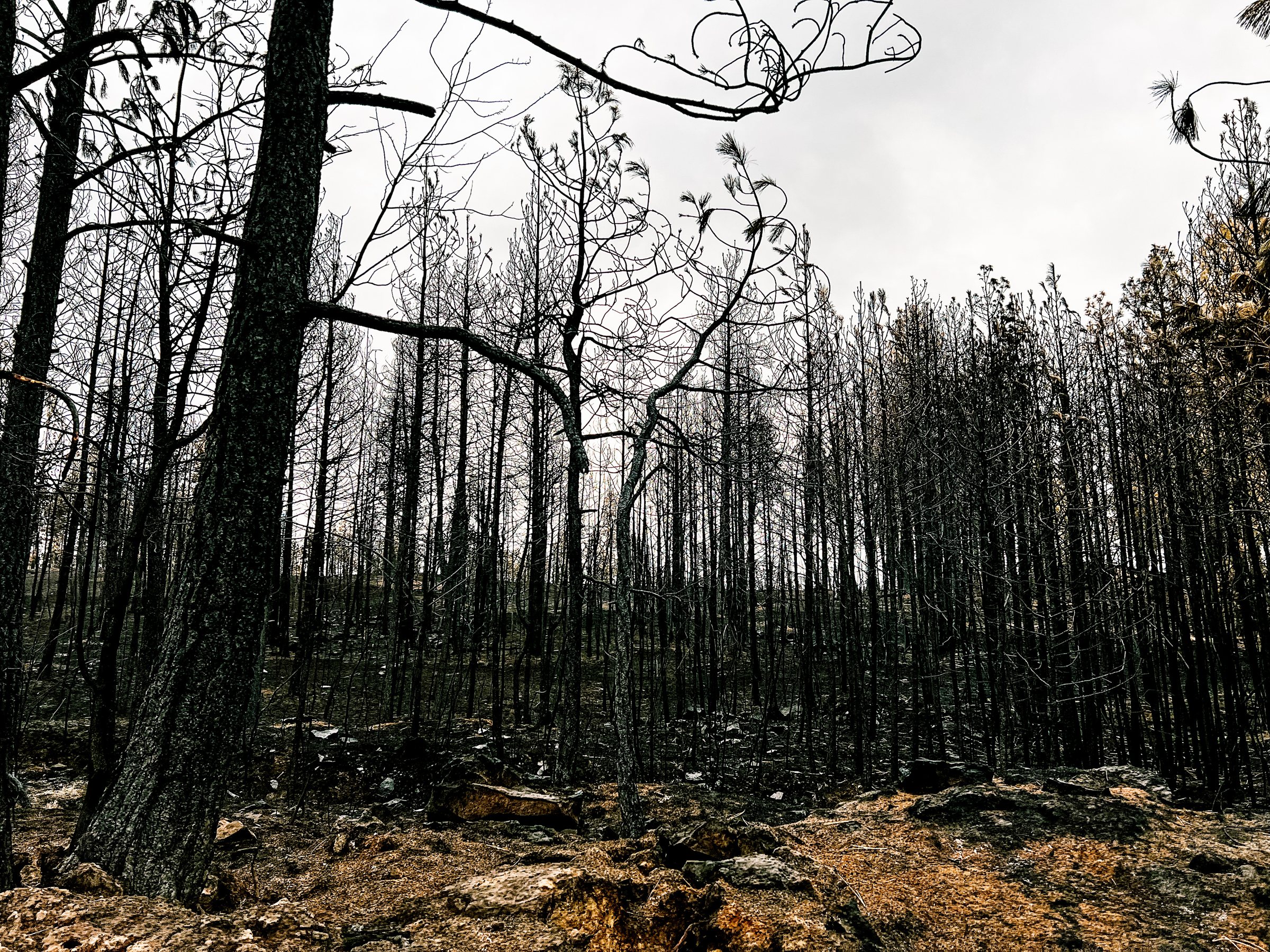
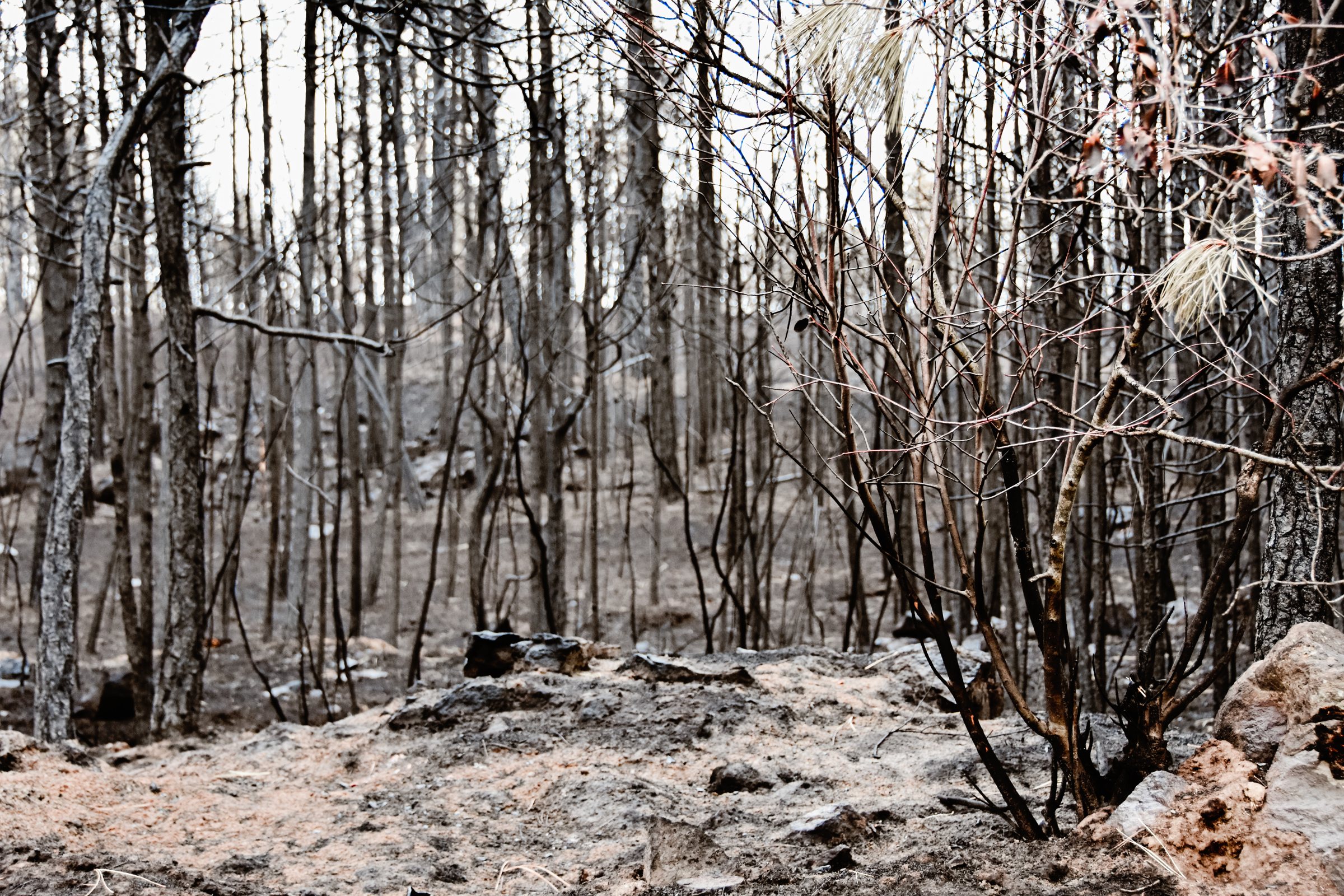
Near Medical Lake after the Gray Road Fire.
Started just after noon west of Medical Lake and ran east toward Four Lakes. The west shore of Silver Lake was among the hardest-hit areas.
Started around 4 p.m. near Elk and burned toward the Pend Oreille County line. Many Elk families were uninsured, and some still live in RVs.
Together: about 23,000 acres burned, 366 primary homes and 710 structures destroyed, and two lives lost.
Lost Your Home in the 2026 Spokane Complex Fires?
This grant can’t help with the Old Trails, Fairview or Autumn Lane fires from August 2026. That disaster needs its own federal declaration and its own funding, and the state asked for one on September 28, 2026. We’ve put together a separate guide for those families, covering cleanup, hazard trees and where to find help.
Live Somewhere Else in Spokane County?
The county is allowed to spend this money anywhere in the county, but its plan says every program, including the mitigation fund, has to tie back to the 2023 fires. If your property wasn’t damaged, the conservation district and DNR cost share programs are the better place to look.
Most of It Is for Homeowners
These are the amounts in the county’s draft Action Plan 3.0, which is open for public comment through November 9, 2026. They can still change before HUD approves the plan.
Total federal award to Spokane County
Spent as of Sept. 30, 2026, all on administration
Homes the county expects to rebuild or repair
Share that has to help low- and moderate-income households
Source: Spokane County CDBG-DR Action Plan 3.0 (draft) and the county’s July to September 2026 quarterly report to HUD. The award is $38,393,000 for recovery plus a $5,759,000 mitigation set-aside.
Three Years Later, the Money Is Almost Ready
Federal disaster money moves slowly. The county has to write a plan, get HUD to approve it, hire partners, and finish environmental reviews before any construction money goes out. Here’s where each piece stood as of the county’s latest report.
- Aug. 18, 2023The Gray Road and Oregon Road FiresDone
Both fires start on the same afternoon, about 41 miles apart. The state and county declare emergencies within a day.
- Feb. 15, 2024Federal Disaster Declaration (DR-4759)Done
FEMA opens individual assistance. About 334 households received roughly $3 million. The FEMA and SBA deadlines have since passed.
- Jan. 2025HUD Awards $44.15 MillionDone
Congress funds the grant in the 2025 Appropriations Act and HUD sends it to Spokane County.
- 2025First Action Plan and Community MeetingsDone
The county and the recovery group hold meetings in Elk and Medical Lake, and residents rank what they need most. Housing comes out on top.
- Jul. to Sep. 2026Navigator Contract SignedIn progress
The county signs with the Spokane Region Long Term Recovery Group to run intake and case management. Contracts for housing and the construction manager are still being negotiated.
- Sep. 2026Environmental Review for RebuildsIn progress
The county asks HUD to release funds for the housing program, which it estimates will rebuild or repair 50 or more homes. Reviews of individual properties come next.
- Oct. 9 to Nov. 9, 2026Public Comment on Action Plan 3.0In progress
The draft raises the income limit, adds reimbursement and moves debris and tree work into the housing program.
- Late 2026 to early 2027Housing Contracts and Property ReviewsExpected next
The county expects to sign the housing and construction management agreements and start site-by-site environmental reviews.
- Jan. 21, 2027Reimbursement Window ClosesDeadline
Work homeowners pay for themselves has to be done by this date to be paid back. HUD’s rules set it at two years after the grant notice took effect. Program-funded work continues after it.
- 2031Grant EndsExpected next
The county has about six years from its HUD agreement to spend the money. An extension is possible.
Help Rebuilding, Repairing and Clearing Your Lot
The Single-Family Housing Recovery program is the core of the grant. It covers the house and the ground around it, because a burned lot needs a lot of work before a foundation goes in.
The Program Pays for the Work
You apply. The county’s construction manager scopes the job, hires the contractors and pays them directly, so you don’t pay up front. This is most of the money, and it’s available as long as the grant runs.
You Paid, the County Pays You Back
For work you paid for yourself between August 18, 2023 and January 21, 2027, before you formally applied. Only reimbursement ends in January. Program help keeps going after that.
Most the program will put toward rebuilding a home on a permanent foundation.
Cap for mobile homes and other homes without a permanent foundation.
Or 25% of the home’s assessed value, whichever is less.
Most a household can be paid back for work it paid for by Jan. 21, 2027. Lower above 80% AMI.
- Hazard tree removalB&B does this
- Downed trees and burned vegetationB&B does this
- Slash pile removalB&B does this
- Fuels reductionB&B does this
- Tree planting and landscapingB&B does this
- Structure debris and demolitionProgram contractors
- Driveways and drainageProgram contractors
- Water, sewer and power hookupsProgram contractors
- Permits and inspectionsProgram contractors
From the county’s Action Plan 3.0 and its notice to HUD. The county’s construction manager decides the scope for each property.
Fire-Resistant Upgrades Are Covered Too
Every home rebuilt or repaired with this money has to include measures that lower the risk of losing it again. If you choose fire-resistant materials, the county can pay for them from its separate mitigation fund instead of your housing award.
- Metal or other Class A roofing
- Non-combustible siding
- Ember-resistant vents
- Defensible space around the home
Help While You Wait
The draft plan adds interim mortgage help for up to 20 months and rental help for up to 24 months while your home is rebuilt.
Could Your Household Qualify?
Two things decide it: five basic requirements, and your household income. Check both below. The county makes the final call.
- Damaged by a 2023 fireThe Gray Road or Oregon Road fire damaged or destroyed the home.
- Your primary home thenYou lived there when the fire hit. Second homes, cabins and rentals don’t count.
- Your primary home againYou’ll live there when the award is made.
- You own or control itA deed, title or another legal form of control in your name.
- Property taxes are currentOr you’re on an approved payment plan with the county.
Home burned in the 2026 Spokane Complex fires, or not damaged at all? This grant can’t help, but other programs might.
Find the number of people in your household, then read across to the first column your income fits under. Income means the adjusted gross income (AGI) on your most recent federal tax return, for everyone in the household.
| People in household | 80% or lessPriority group | 80–100%Urgent need | 100–120%Urgent need | 120–150%Urgent need |
|---|---|---|---|---|
| 1 | Up to $61,900 | Up to $77,400 | Up to $92,900 | Up to $116,100 |
| 2 | Up to $70,750 | Up to $88,400 | Up to $106,100 | Up to $132,600 |
| 3 | Up to $79,600 | Up to $99,500 | Up to $119,400 | Up to $149,250 |
| 4 | Up to $88,400 | Up to $110,500 | Up to $132,600 | Up to $165,750 |
| 5 | Up to $95,500 | Up to $119,400 | Up to $143,300 | Up to $179,100 |
| 6 | Up to $102,550 | Up to $128,200 | Up to $153,850 | Up to $192,300 |
| 7 | Up to $109,650 | Up to $137,100 | Up to $164,550 | Up to $205,650 |
| 8 | Up to $116,700 | Up to $145,900 | Up to $175,100 | Up to $218,850 |
Above the last column? Housing help isn’t available, but the mitigation fund for trees and slash has no income cap. Figures use HUD’s 2026 income limits for Spokane County (median family income $110,500, effective June 1, 2026). HUD publishes the 80% column; we calculated the others with HUD’s standard method, so treat them as close estimates. The county verifies your income.
Already Paid for Cleanup or Rebuilding? You May Get Some Back
This is the second kind of help, and the only part of the grant with a near-term deadline. A lot of families didn’t wait. They paid to clear debris, drop dead trees and start building with insurance money, savings or loans. The county’s draft plan would pay some of that back, up to a cap set by household income.
The county checks every claim. It subtracts what insurance, FEMA, SBA or charities already paid for the same work (the “duplication of benefits” review), confirms the work was on the same footprint, and runs an environmental review.
| Household income | Up to |
|---|---|
| 80% of AMI or less | $400,000 |
| 80% to 100% of AMI | $80,000 |
| 100% to 120% of AMI | $65,000 |
| 120% to 150% of AMI | $50,000 |
AMI means area median income for Spokane County. The 80% to 150% group shares a smaller pool of money that the county plans to hand out first come, first served.
The Window
Work done between August 18, 2023 and January 21, 2027.
Stop When You Apply
Once you submit a formal application, pause the work. Costs after that point can’t be paid back.
Same Footprint
Reimbursement covers rebuilding where the home stood, not a new home somewhere else.
Keep Every Receipt
Invoices, contracts, proof of payment and photos. Without them, the county can’t count the work.
Thinking About Doing Work Now? Read This First
Reimbursement isn’t guaranteed, and the plan that creates it is still a draft. Before you spend money you hope to get back, talk with a navigator about your case. Then let us document the site with photos, a written scope and itemized invoices, so you have what a reviewer will ask for.
$6.6 Million for Trees, Slash and Future Fire Risk
HUD requires part of every disaster grant to go toward lowering the risk of the next one. Spokane County says wildfire is its top priority for that money, and residents were clear at the community meetings: get the dead trees and slash piles off our land.
Tree Planting and Slash Pile Removal
The county says it will set up a program to clear leftover slash piles and replant burned ground.
Hazard Trees on Burned Lots
Dead and dying trees can be removed during site work for a rebuild, paid from the mitigation fund.
Fire-Resistant Rebuilds
Metal roofs, non-combustible siding and other upgrades for homes rebuilt through the program.
Larger Projects
Fuels reduction, water and roads. These would be chosen in a later amendment, and none are promised.
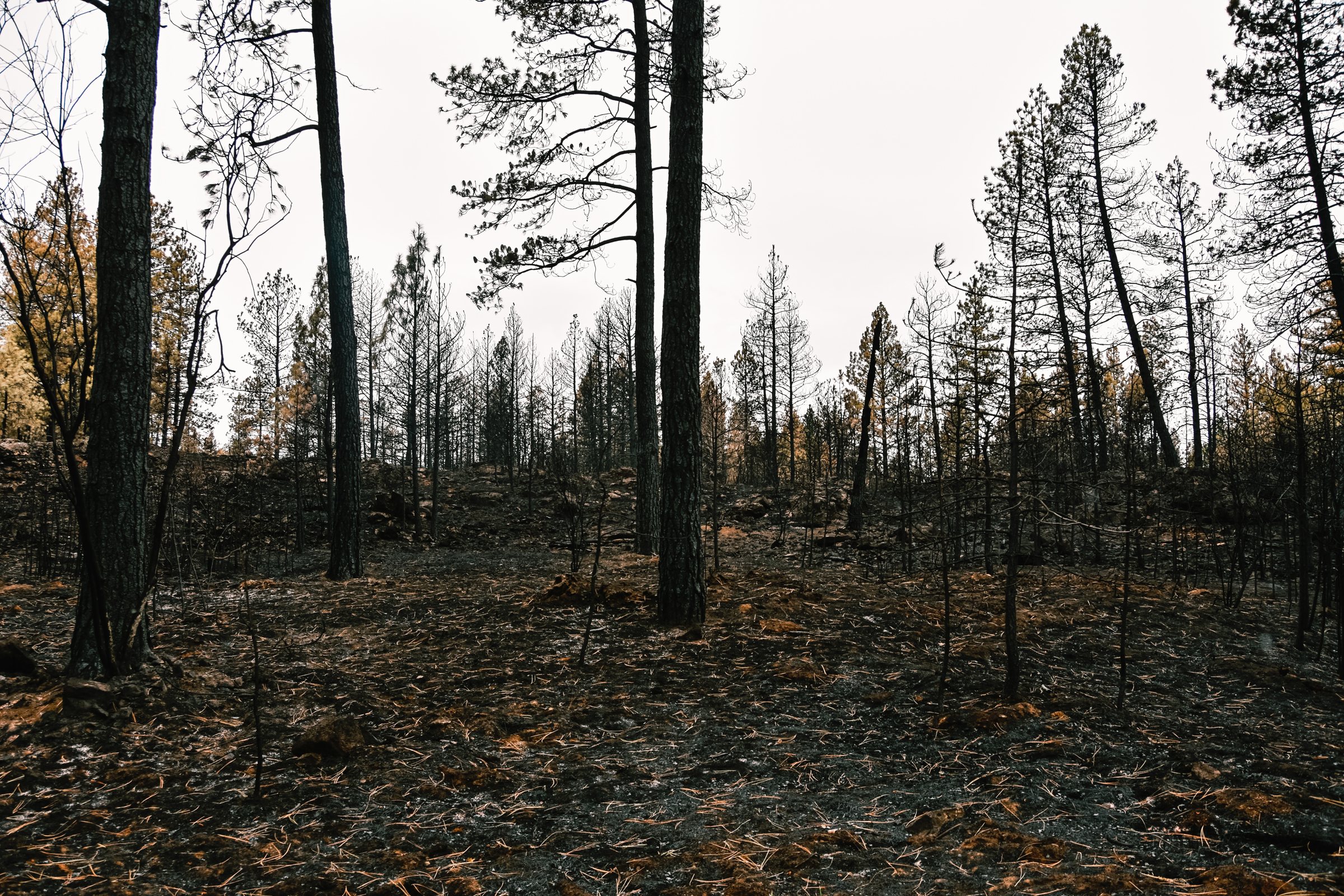
What the Burned Areas Still Need
The Salvation Army, which ran disaster case management after the fires, estimated these remaining needs for the county’s plan. They show where the work is. They aren’t budgets, and the county hasn’t promised to fund each one.
Who gets mitigation help: there’s no income cap, but 70% of the money has to benefit low- and moderate-income households, and the work has to tie back to the 2023 fires. A partner chosen by request for proposals will run the program. The county’s housing contractor may hand out some of it too.
Fire Cleanup and Restoration From a Wildland Fire Crew
A burned property is a work site before it’s a building site. We handle the land: dead trees, downed timber, slash and regrowth, the site work this grant pays for. Burned structures and asbestos go to specialized contractors.
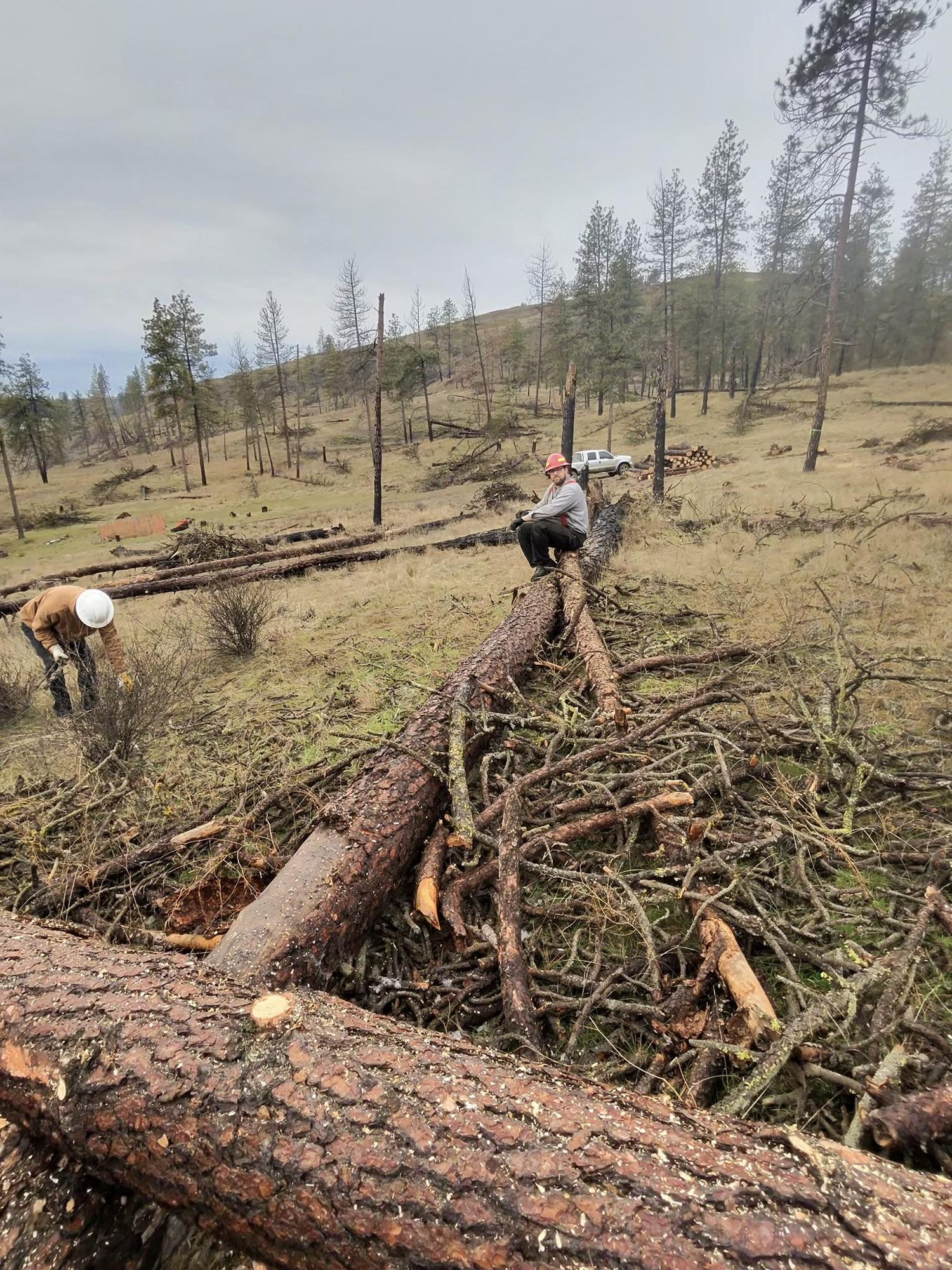
Hazard Tree Felling
Dead and fire-weakened trees near the house, driveway, power lines and building pad, felled by sawyers who cut burned timber on fire lines.
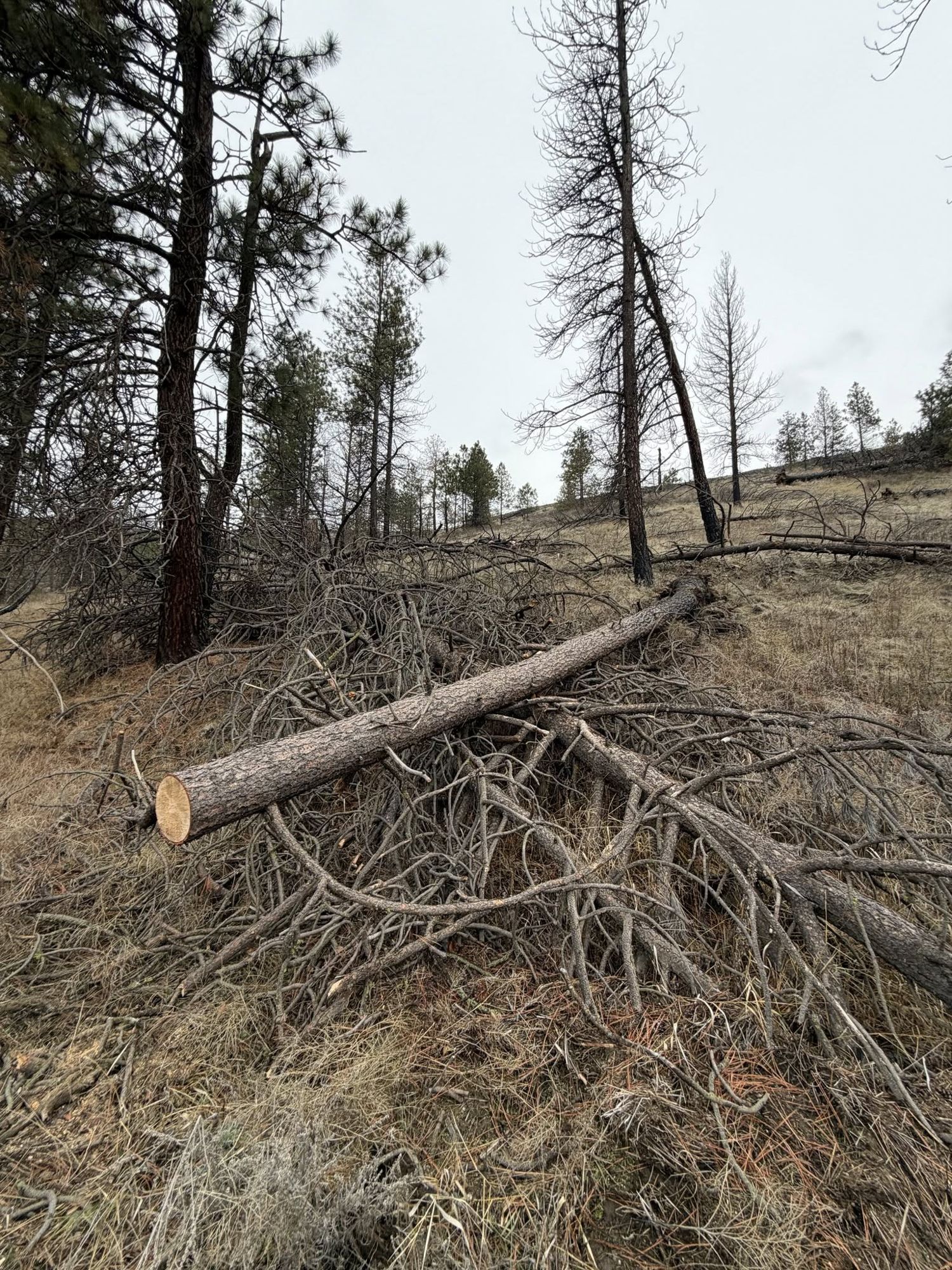
Downed Timber and Burned Vegetation
Fallen trees, burned limbs, dead brush and charred woody debris cut up and cleared off the land, so the ground is safe to work and ready to recover.
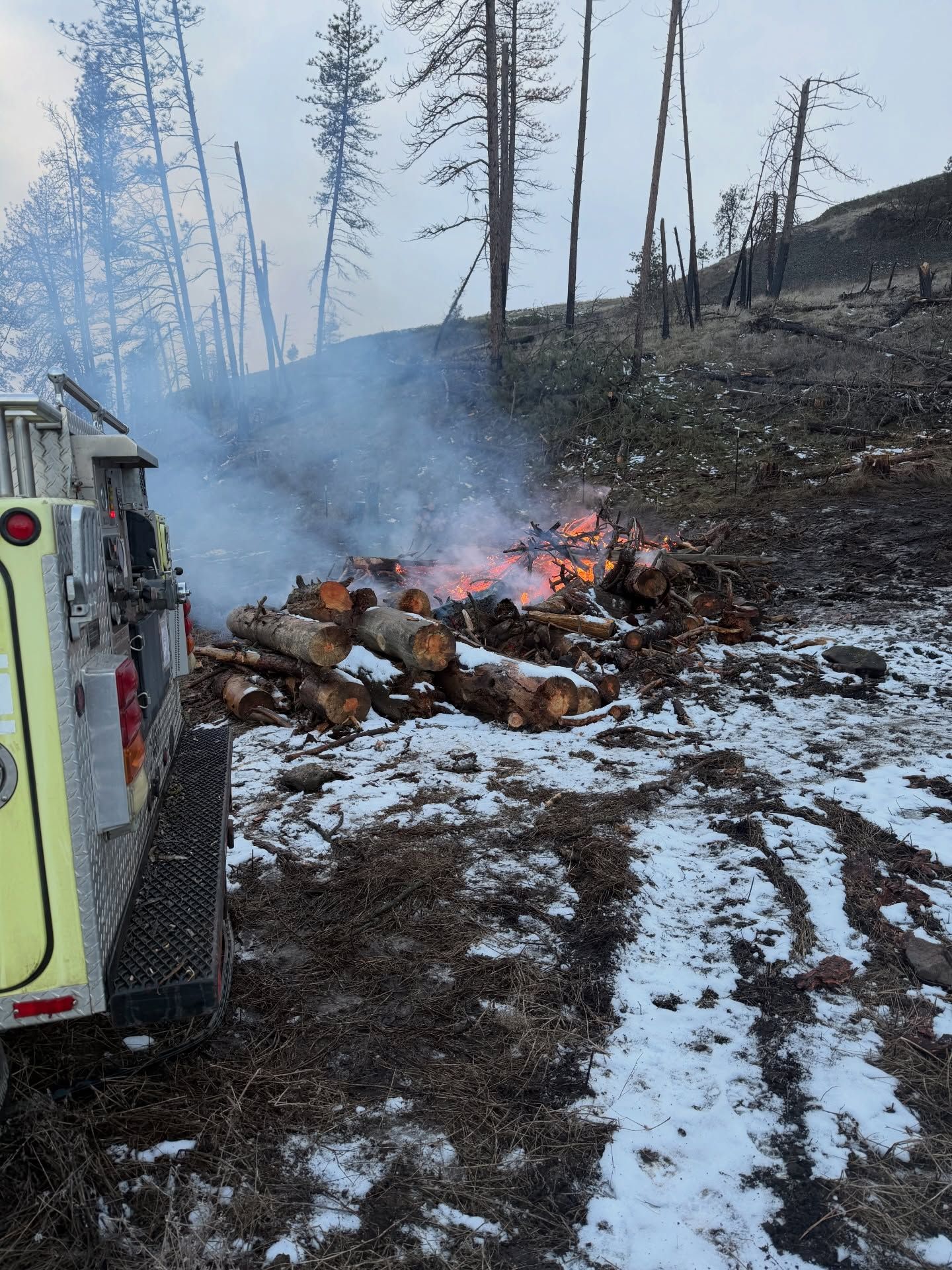
Slash Piles: Burn, Chip or Haul
Old slash piles and new ones from cleanup, burned under permit in the right season, chipped on site or hauled away.
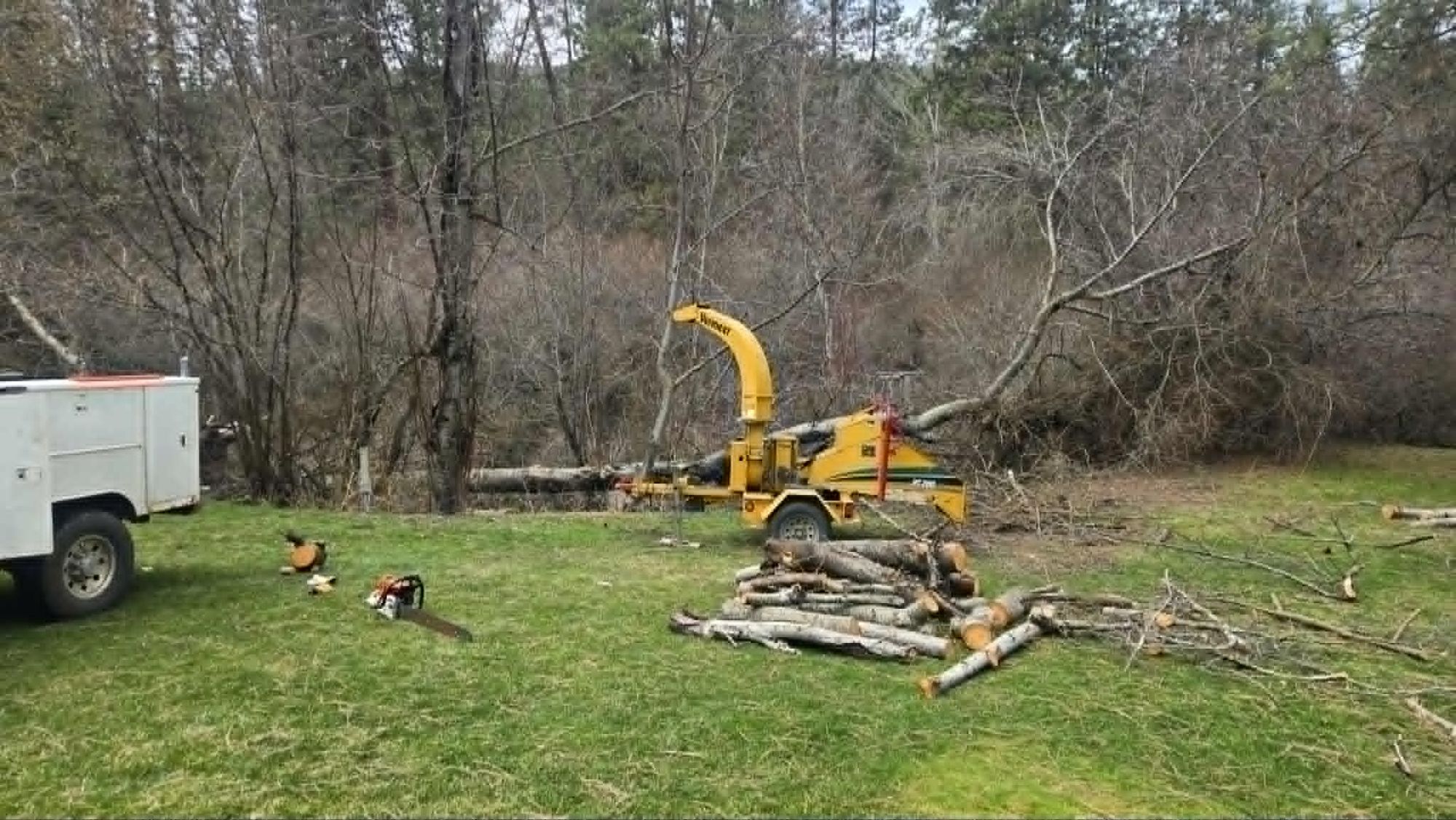
Fuels Reduction and Defensible Space
Brush and young trees grow back thick after a fire. We thin them, limb up survivors and set up defensible space around the rebuild.
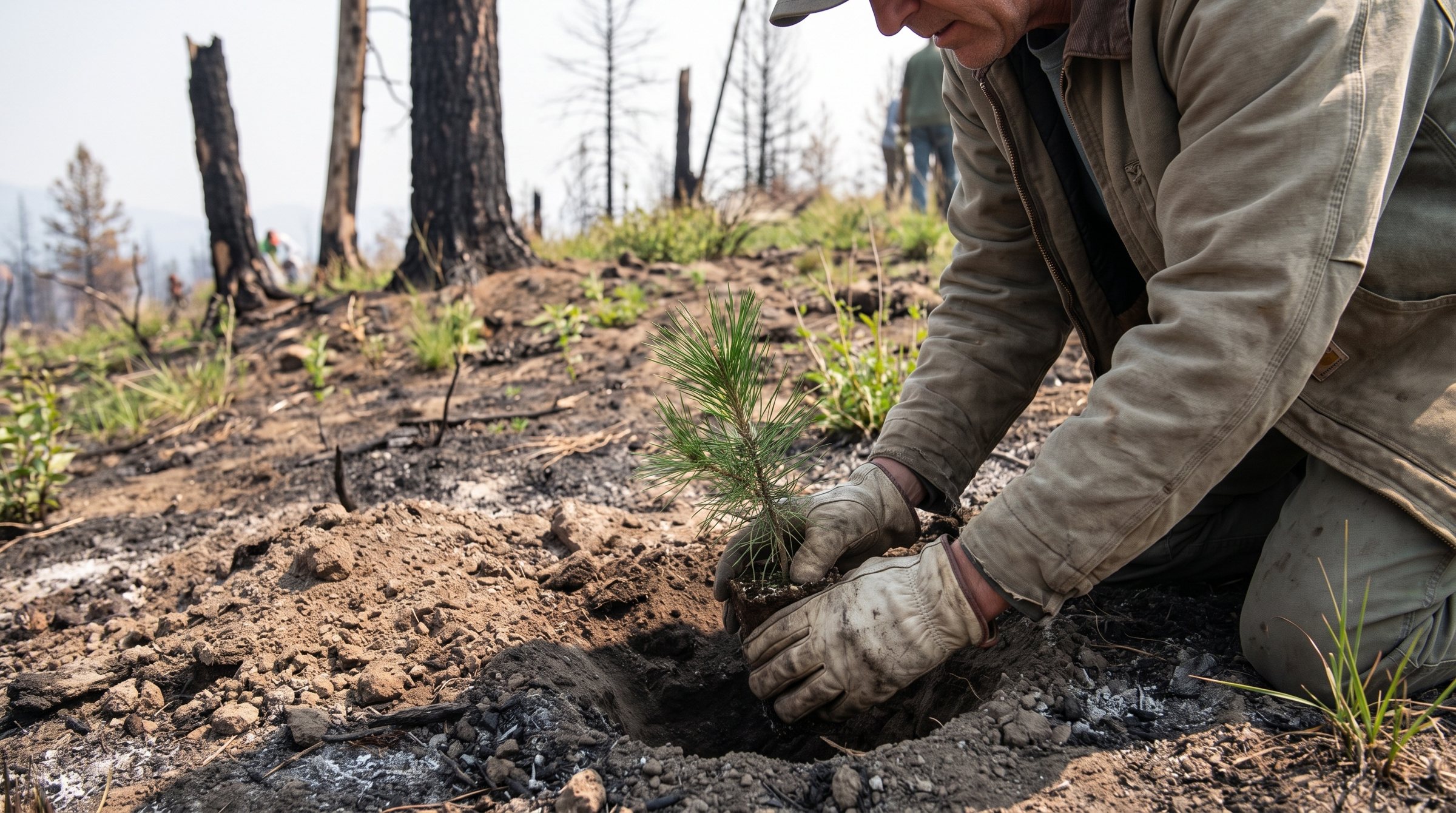
Site Restoration and Replanting
Clearing a building site, cleaning up after equipment and replanting burned ground with seedlings suited to the site.
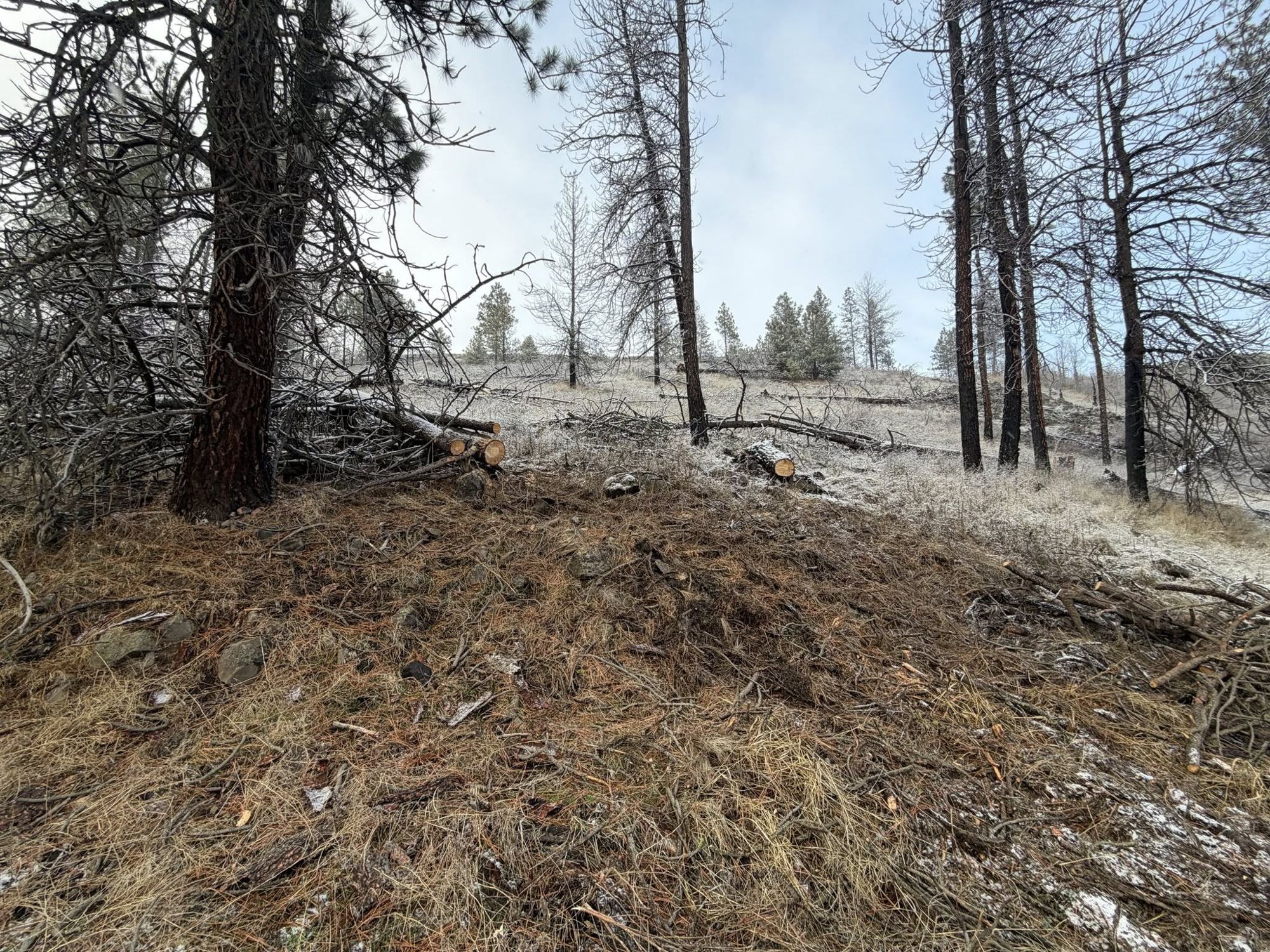
Records That Hold Up
Before and after photos from the same points, a written scope and itemized invoices, so a grant reviewer can see exactly what was done.
- Registered in SAM.gov
- Active federal VIPR firefighting contract
- DNR-approved contractor
- Crew with 10+ years of wildland firefighting experience
- Licensed and insured in Washington
Two Ways the Grant Can Pay for Your Site Work
Which path fits depends on where you are in recovery and what your navigator recommends. We can help with either one.
You Hire Us, Then Ask the County to Pay You Back
For homeowners who want the work done now, before they formally apply. You pay for the work, we document it, and you submit it for reimbursement within the window.
- Work has to be finished by January 21, 2027
- Done before you submit a formal application
- Capped by household income
- Not guaranteed until the county approves your claim
The Program Scopes and Pays for the Work
For homeowners who apply first and let the program handle the site work. The county’s construction manager sets the scope and hires contractors under federal rules.
- No out-of-pocket cost for approved work
- Environmental review before any work starts
- Contractors chosen by the program, not the homeowner
- B&B is registered to compete for that work
Step by Step
Get on the List
Call the recovery group’s navigators at (509) 939-9589 or email [email protected]. Tell them about your home and what’s still undone.
Free B&B Site Visit
We walk the property with you, flag hazard trees and fuels, and photograph everything before work starts.
Written Scope and Estimate
You get an itemized estimate you can share with your navigator, so you can decide together which path makes sense.
Pick Your Path
Your navigator helps you decide whether to do the work now for reimbursement or apply and wait for the program.
The Work
Our crew does the job and photographs it from the same points, with an invoice that matches the scope line by line.
Review and Payment
The county reviews your claim or project, checks for duplicate benefits, and pays what it approves.
Start Gathering Your Paperwork Now
The county’s housing manual lists what applicants should expect to provide. You don’t need everything before your first call, but having it ready keeps your place in line moving. A navigator can help track down what’s missing.
Other Programs That Can Help
Some of these can work alongside the grant. Others fit people the grant can’t help. Anything that pays for the same work gets subtracted from your grant, so tell your navigator about all of it.
Free Wildfire Assessment and Possible Cost Share
A district forester can assess your property for free, and the district offers cost share for fuels reduction and work around the home when funding allows. Ask what’s open this year.
DNR Cost Share for Forested Land
If you have timbered acres beyond the home site, DNR can pay part of the cost of thinning, pruning and slash work. Hardship help can cover more.
Wildfire Recovery Fund
Innovia has paid for rebuilds, case management and some hazard tree removal through the Unmet Needs Roundtable. Requests go through a case manager. No case manager yet? Call (509) 624-2606.
Debris and Tree Coverage
Many policies cover debris removal and some tree removal on top of the dwelling limit. If your claim is still open, ask your adjuster before you pay for site work yourself.
Asbestos Rules and Waived Fees
Demolition needs an asbestos survey and a notice. The agency waived notice fees for properties damaged in the 2023 fires. Call (509) 477-4727 to confirm before you start.
Rebuild Fee Waivers
Medical Lake waived water and sewer reconnection fees for homes rebuilt after the Gray Road fire and moved rebuild permits to the front of the line.
Important Things You Should Know
Most of the Numbers Are Proposed
The income limit, reimbursement program and budget come from the draft Action Plan 3.0. They can change before HUD approves it.
Applying Isn’t Approval
The county decides eligibility and amounts after reviewing documents, damage, duplicate benefits and the environmental review. Money is limited.
Stop Work When You Apply
Once you formally apply, don’t start or continue work until you’re cleared. Costs after that point can’t be reimbursed.
Other Aid Gets Subtracted
Insurance, FEMA, SBA loans and charity help for the same work reduce your award. Tell your navigator about everything.
First Come for Higher Incomes
Households between 80% and 150% of area median income share a smaller pool that the county plans to fund in order of application.
Older Homes Have Extra Rules
Homes built before 1978 need lead paint testing and safe work practices on any repair, and burned structures need an asbestos survey before demolition.
Spokane County Fire Recovery Grant FAQs
What is CDBG-DR?
Community Development Block Grant, Disaster Recovery. It’s federal money from HUD that Congress approves after major disasters to cover needs that insurance, FEMA and SBA didn’t. Spokane County received $44,152,000 for the 2023 Gray Road and Oregon Road fires.
Who runs the program?
Spokane County Housing and Community Development manages the grant. The Spokane Region Long Term Recovery Group runs the Service Navigator program, which handles intake and case management. The county is hiring a construction manager to oversee rebuilds and site work, and that firm hires local contractors.
Does this grant cover the 2026 Spokane Complex fires?
No. The money can only be used for damage from the 2023 Gray Road and Oregon Road fires. Help for the 2026 Old Trails, Fairview and Autumn Lane fires depends on a separate federal disaster declaration, which the state requested on September 28, 2026.
My home isn’t in Elk or Medical Lake. Can I still qualify?
Possibly. The county can spend the money anywhere in Spokane County, but your home has to have been damaged by one of the 2023 fires. Medical Lake and Elk get priority if there are more applicants than money.
How do I apply?
Start with the recovery group’s navigators at (509) 939-9589 or [email protected]. They keep the list the county’s housing contractor works from. The county says it will also post an online application on its disaster recovery website and social media when that opens.
Can I get paid back for work I already paid for?
The county’s draft plan would reimburse eligible rebuilding and site work done between August 18, 2023 and January 21, 2027, up to $400,000 for households at or below 80% of area median income and less above that. Amounts already covered by insurance or other aid are subtracted. The January 2027 date only applies to reimbursement. Work the program pays for directly continues after it.
Should I start cleanup now or wait for the program?
It depends on your case, so talk to a navigator first. Work done before you formally apply may be reimbursable if it meets the rules. Once you apply, stop work, because costs after that point can’t be paid back. If you do go ahead, keep a written scope, photos and itemized invoices.
Can I choose B&B as my contractor?
For work you hire out yourself and later submit for reimbursement, yes, you choose the contractor. For work the program pays for directly, the county’s construction manager selects contractors under federal procurement rules. B&B is registered in SAM.gov and can compete for that work as a local contractor.
Does my insurance payout count against me?
It can. Federal law doesn’t allow the grant to pay for anything insurance, FEMA, SBA or a charity already paid for. That’s the duplication of benefits review. Money you spent on eligible recovery work can usually be shown and set aside, so keep your records.
What is the income limit?
The draft plan raises it to 150% of area median income. Households at or below 80% get priority and the highest caps. The exact dollar limits depend on household size, and your navigator can check where you fall.
Will hazard trees and slash piles be covered if I’m not rebuilding?
Maybe later. Tree and slash work is already part of site work for homes in the housing program. The county also plans a tree planting and slash pile removal program from its $6.6 million mitigation fund, but the rules for it haven’t been published yet.
Does B&B clean up burned houses and outbuildings?
No. Burned structures need an asbestos survey from an AHERA-certified inspector, a notice to Spokane Clean Air and often a certified abatement contractor, and that’s specialized work. We focus on the land: hazard trees, downed timber, slash, brush and replanting. We’re happy to schedule around the contractor handling the structure.
When will the money actually be available?
There’s no firm date. As of September 30, 2026, the county expected to sign its housing and construction management agreements the following quarter and start property-by-property environmental reviews. The grant runs through 2031.
How can I comment on the county’s plan?
Action Plan 3.0 is open for public comment from October 9 to November 9, 2026. The draft and instructions are on Spokane County’s CDBG-DR Planning Documents page.
Who to Call and Where This Comes From
Everything on this page comes from the county’s published documents and the organizations below. Check with them for the latest.
Recovery Group Navigators
(509) 939-9589 · [email protected]. Intake and case management for Gray Road and Oregon Road survivors.
Spokane County CDBG-DR Documents
Action Plans, the housing program manual, quarterly reports to HUD and public notices.
Spokane County Housing & Community Development
The county office that manages the grant. (509) 477-5722.
Innovia Wildfire Recovery Fund
For survivors without a case manager yet: (509) 624-2606.
Spokane Conservation District
Free wildfire assessments, plus cost share when funding allows.
Fire Cleanup & Restoration
Hazard trees, downed timber, slash and site restoration from our crew.
Get a Free Site Visit and a Documented Estimate
Tell us about your property. We’ll call you back within one business day, walk the site with you for free, and put the work in writing in a form a grant reviewer can follow.
- Call back within one business day
- Free first site visit
- Itemized, photo-documented estimate
- Help understanding which path fits
B&B Wildland Fire is a private contractor, not part of Spokane County or the recovery group. The county decides eligibility, amounts and timing, and nothing on this page is a promise of funding.